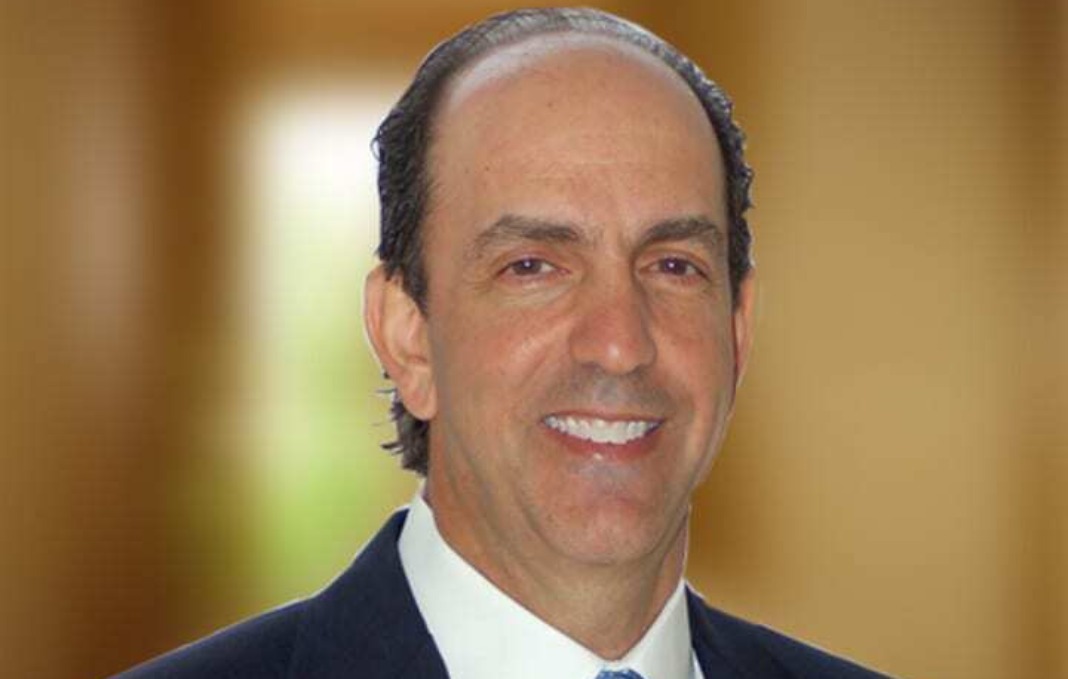
Choucair has been with the Plano, Texas-based company for more than six years and was previously CFO of MultiView, a Warburg Pincus portfolio company, and NASDAQ-listed DG FastChannel.
Everything begins with the ERP, the backbone of finance. It’s the system of record, the foundation for every report, forecast and decision we make. If your ERP data isn’t clean and structured, everything you build on top of it will eventually crack. That’s just reality.
We’re in the process of upgrading our ERP and have built our broader tech stack to make sure every system speaks the same language. Planful powers FP&A. Adra drives the financial close. Together, they give us a single, connected view of performance.
From that solid foundation, we’ve layered on financial close automation, analytics and now AI to make our office truly intelligent. Our tech stack isn’t about collecting tools; it’s about creating trust in the numbers. Every platform we choose integrates seamlessly, ensuring the business runs on truth, not guesswork.
What’s your joy, and what’s your headache?
The best part of my job is when the team stops chasing numbers and starts thinking about what the numbers actually mean. When the executive leadership team or board of directors says, “Why did this change?” instead of “Where did this come from?”, that’s when I know the process is working. That’s where finance shifts from reporting history to shaping and explaining the business or operational impact.
The headache? Making that moment possible. You’ve got to get the data models and flow right, document every step and remain relentlessly disciplined through the process. It’s the unglamorous side of finance, but it’s also what keeps you calm when the auditors show up.
Now with AI exploding on the finance landscape, the stakes are even higher. If your systems, processes and data aren’t connected, AI will make that painfully clear. That’s why we’re embedding it directly into the same connected stack that runs our ERP, FP&A and financial close applications—to centralize intelligence, not scatter it.
When the data foundation is understood and solid, AI and automation can finally do what they’re meant to do: handle the repetitive, rule-based work so your people can focus on the high-value decisions that move the business forward.
If you could wave a magic wand, what would you make software companies do for you?
With a magic wand, I’d make every software platform configurable by default. Finance moves fast—new regulations, new business models, new acquisitions. Our systems must move just as fast. I shouldn’t need a multi-month statement of work just to tweak a workflow or update an approval chain.
I’d also ask vendors to spend more time understanding context. AI is powerful; it can easily spot patterns, but it still doesn’t grasp materiality, judgment or intent—the key responsibilities accountants deal with every day. The real breakthrough will come when technology can distinguish between what’s simply unusual and what’s actually important.
What’s your best piece of tech advice for others in your job?
Before you buy or implement anything, clearly define the problem you’re trying to solve. Is your close dragging on too long? Are manual reconciliations eating up time? Are you buried in manual journal entries? Nail down the pain point first. Then, find the tech that fixes that. The same rule applies to AI. It’s only powerful when it’s pointed at a specific, well-defined problem.
We also need to rethink how we measure progress in finance. “Days to close” and “cost per FTE” don’t tell the full story anymore. Smarter metrics are things like how many exceptions were resolved automatically, how quickly risk was identified and how much of your data is ready for decisions. The goal isn’t just to move faster, it’s to make sharper, more confident decisions.
And finally, engage aggressively with your network. Whatever challenge you’re facing, someone else has already been through it. The broader your network, the more informed your decisions will be.